
“This world is a treasure”
Discover rainforests, rare wildlife, and remote beauty in Equatorial Guinea.

Tucked away on the Gulf of Guinea, Equatorial Guinea remains one of the least-visited countries in the world, welcoming as few as 6,000 international travelers per year.
With a population of around 1.85 million—less than half that of Los Angeles or Dubai—this small, predominantly Spanish-speaking nation on the west coast of Central Africa offers an unspoiled experience and rare wildlife that few tourists have laid eyes on.
As tourism slowly begins to emerge with the issuance of electronic visas, those who act now have the rare opportunity to explore Equatorial Guinea’s volcanic islands, dense tropical rainforests (which cover over 90 percent of the country), and vibrant cultural traditions—before the rest of the world catches on.


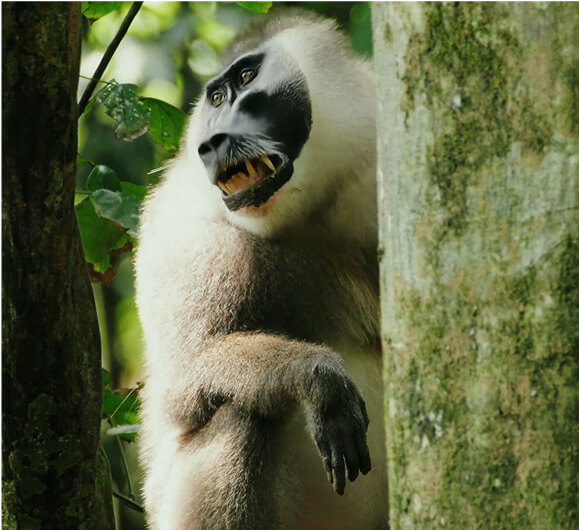
Equatorial Guinea’s pristine ecosystems support thriving populations of wildlife, including endemic orchids, ancient ceiba trees, and hundreds of species of mammals, birds, reptiles, amphibians, and fish. The Gulf of Guinea hosts some of the world’s largest leatherback turtle nesting sites. On Bioko Island—the primary gateway to the country—travelers might witness these turtles nesting on remote black sand beaches or catch a glimpse of drill monkeys, one of the world’s most endangered primates.
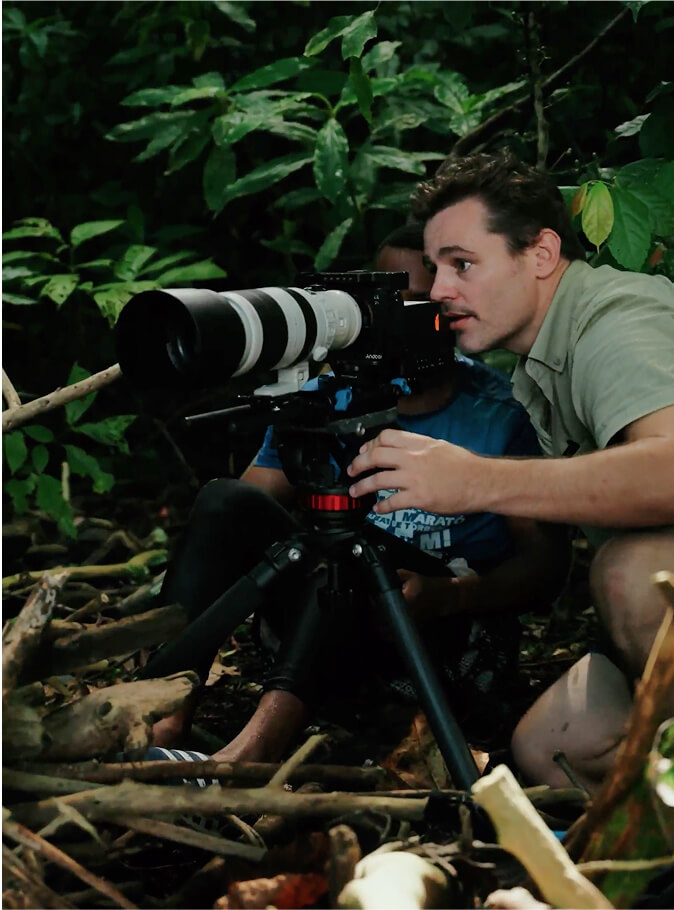
Wildlife filmmaker and conservationist Justin Jay first arrived on Bioko in 2010. He has now been working to protect its elusive drill monkey population for over a decade, while informing the wider world about the island’s remarkable biodiversity.
To be in a place where these connections between species and the earth have a balance that exists in the same way it has for millions of years, that is something that I think a lot of people are going to want to experience.”
Justin Jay, conservationist and filmmaker

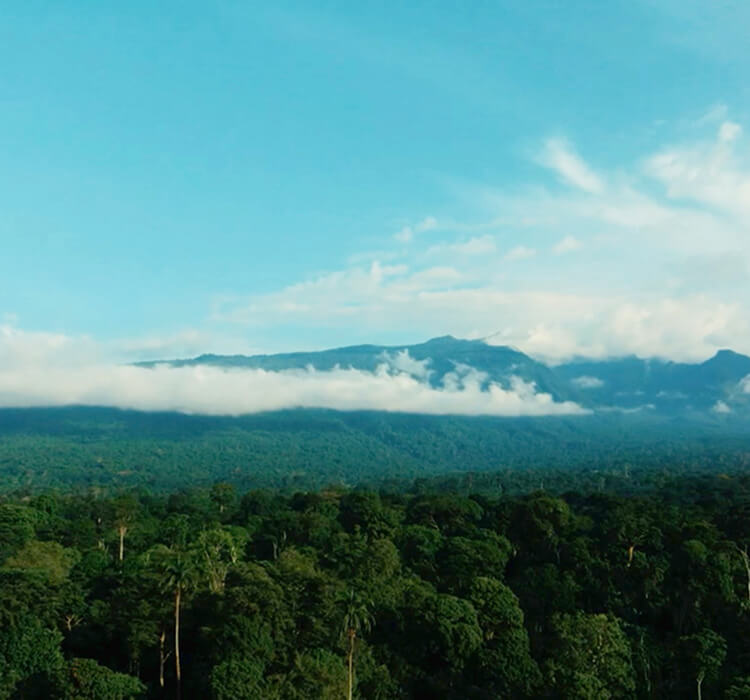
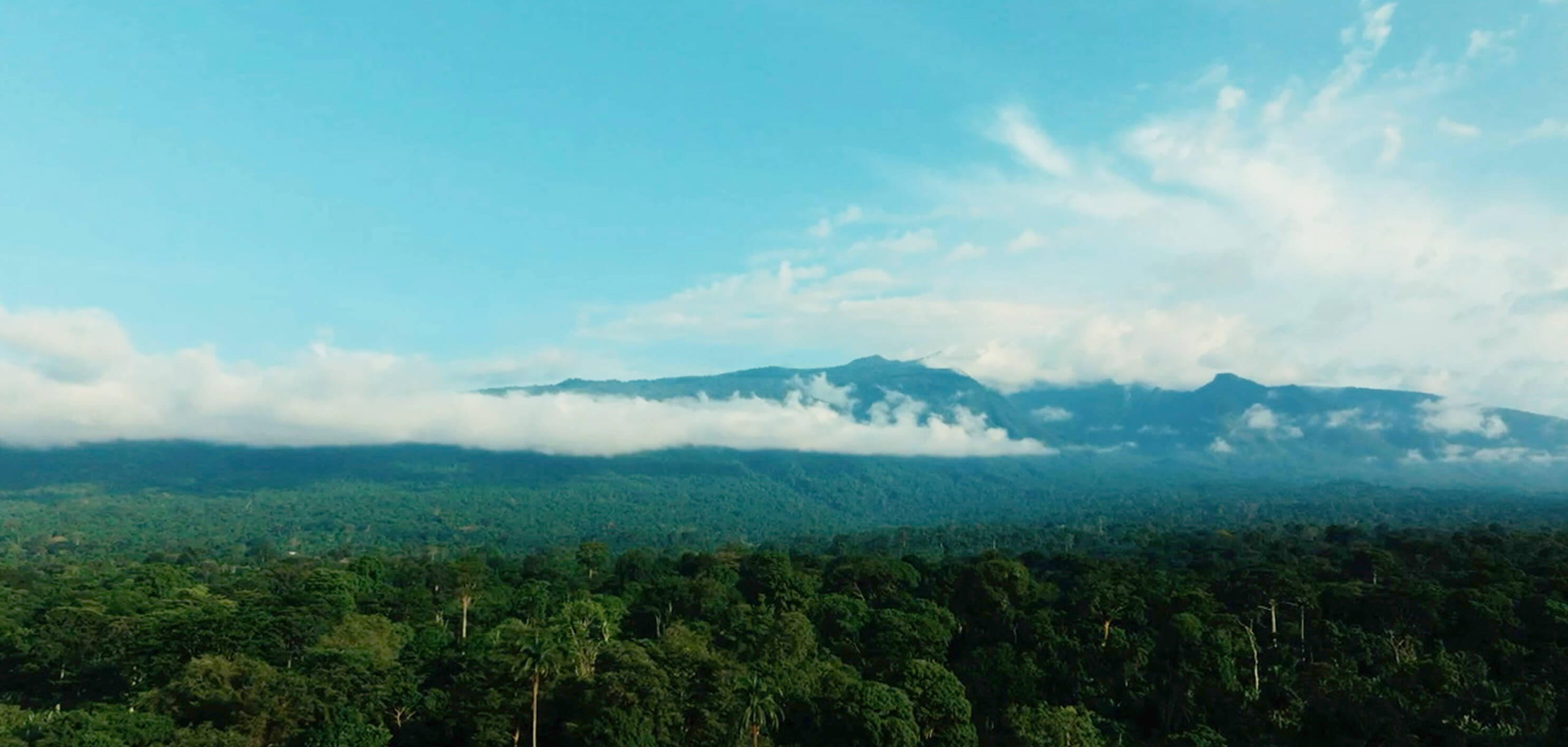
On the Río Muni mainland, Monte Alén National Park, the country’s largest protected area, is cloaked in rainforest and ranks among Central Africa’s most biologically rich reserves. This diverse ecosystem of towering hardwood trees, rolling hills, and dense river valleys is home to over 100 mammal species, including elusive African forest elephants, leopards, and 16 primate species such as chimpanzees and gorillas. Well-marked trails and guided treks into the park provide adventurous birdwatchers the chance to catch sight of over 265 bird species recorded here, including hornbills, turacos, and the rare grey-necked rockfowl.




Beyond its rainforests and coastlines, Equatorial Guinea thrives with cultural richness shaped by its heritage. Despite clear Spanish influences—from culinary inspirations to colonial-era architecture and Roman Catholic churches—many Equatoguineans still live according to ancient customs.
With diverse ethnic groups including the Fang, Bubi, and Ndowe, the country offers travelers a chance to experience vibrant local traditions firsthand. From ceremonial drumming and spiritual storytelling in Fang communities to the Abira Ceremony—a Bubi ritual of spiritual cleansing—and festive Balélé dance performances honoring the Ndowe’s maritime roots, these cultural expressions are alive and well, often celebrated with music, dance, and vivid costume.




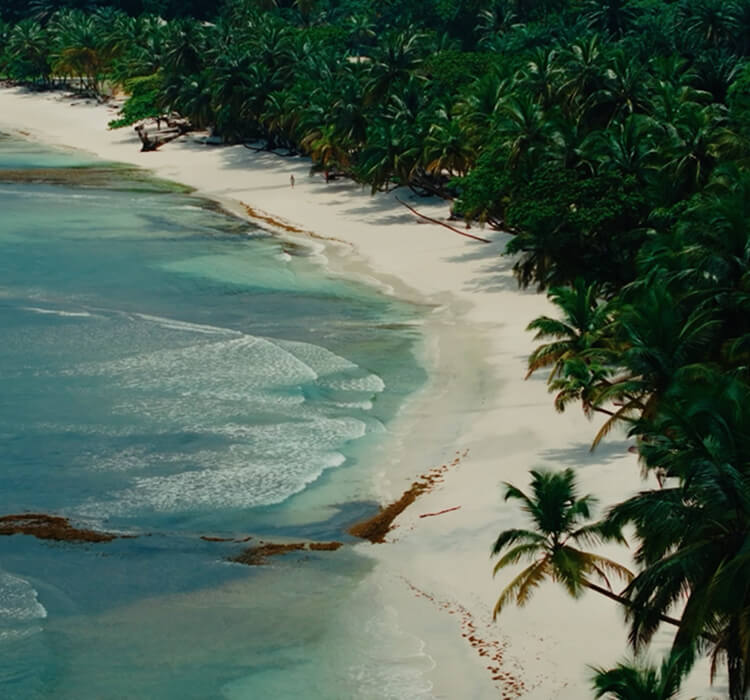
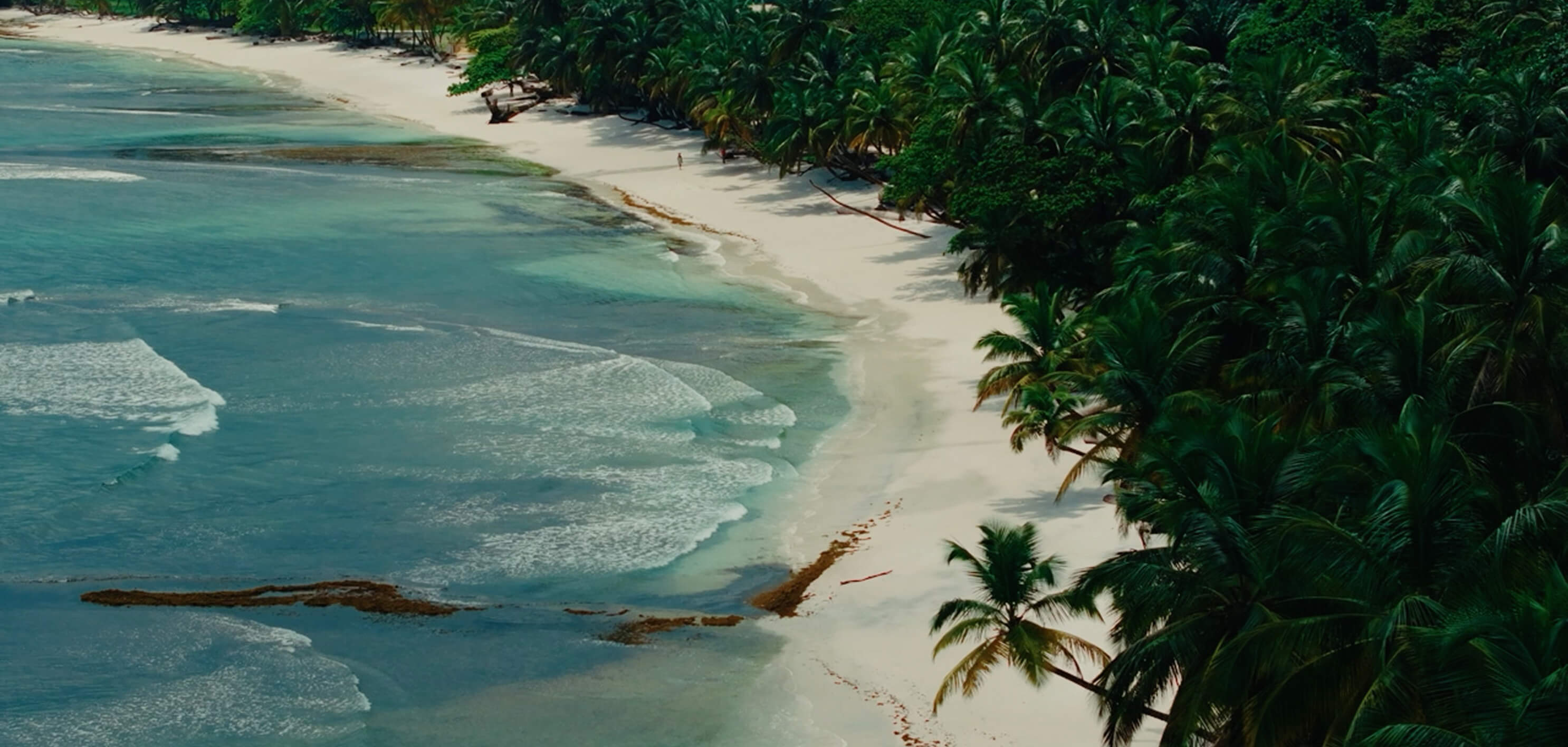
Equatorial Guinea offers a remarkable mix of adventure and tranquility for those seeking unique experiences. For island-hopping and snorkeling, the deserted beaches and clear waters around Corisco and Elobey offer marine exploration in virtually untouched coral environments. On the remote volcanic island of Annobón, travelers can discover crater lakes, endemic birdlife, and even humpback whales during the July–August migration season.
The thing about Equatorial Guinea for me is the potential. Here, we can start on the right footing to create a lasting and sustainable tourism sector that is going to benefit the country and the environment.”
Justin Jay, conservationist and filmmaker
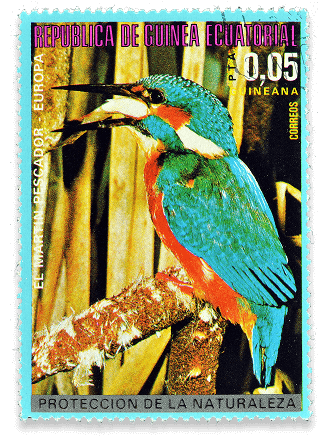
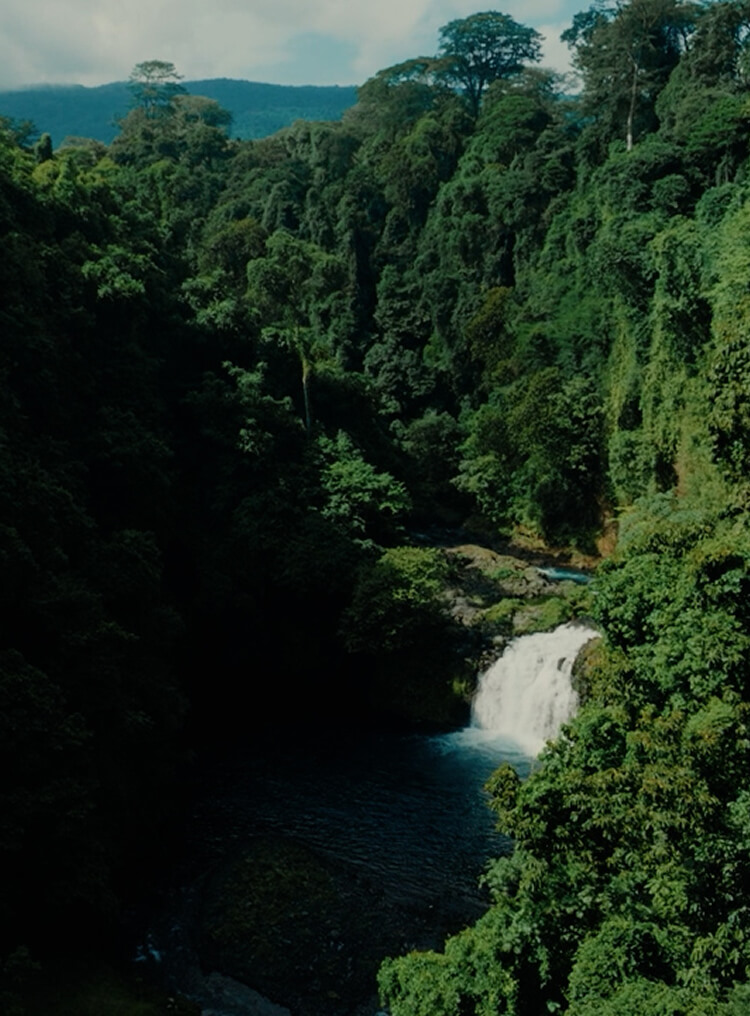
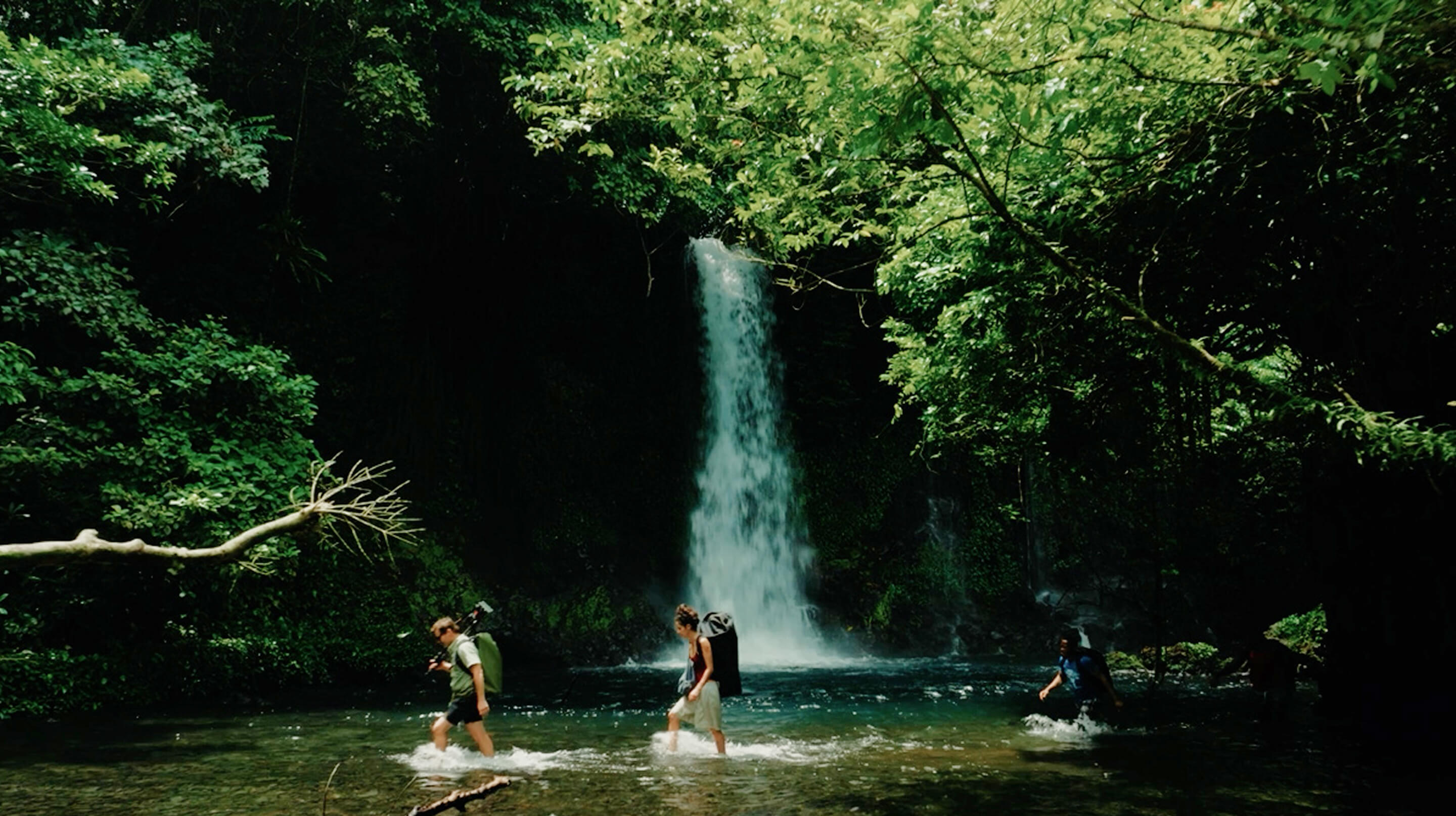
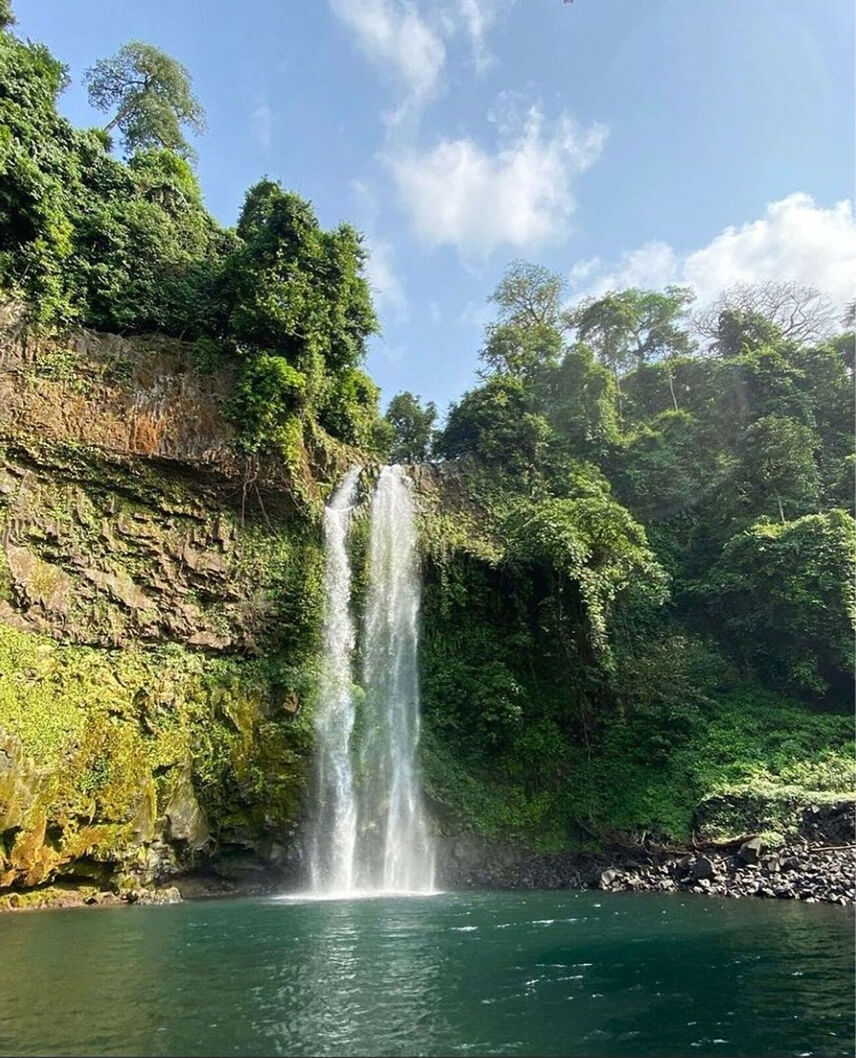
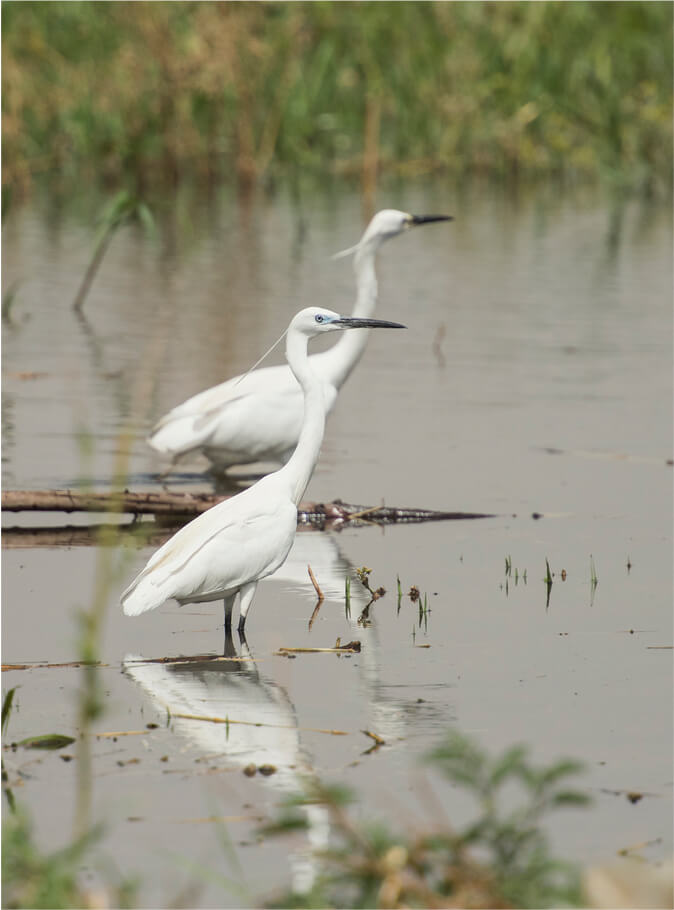
The volcanic slopes of Pico Basile, the country’s highest peak at 9,878 feet, reward hikers with panoramic views of Bioko Island. Meanwhile, back on the mainland, jungle treks and excursions to waterfalls like the accessible Biben Falls and the more secluded Mosumo Falls offer endless options for active travelers. Guided boat trips through mangrove-lined estuaries, such as the Muni Estuary near Cogo and Mbini, allow visitors to glide past herons, kingfishers, and local fishermen in traditional canoes.
Equatorial Guinea’s rare ecological wonders and cultural authenticity make it a destination unlike any other. With infrastructure steadily expanding, a growing commitment to sustainable development, and its secrets still under the radar, the country is poised for discovery.


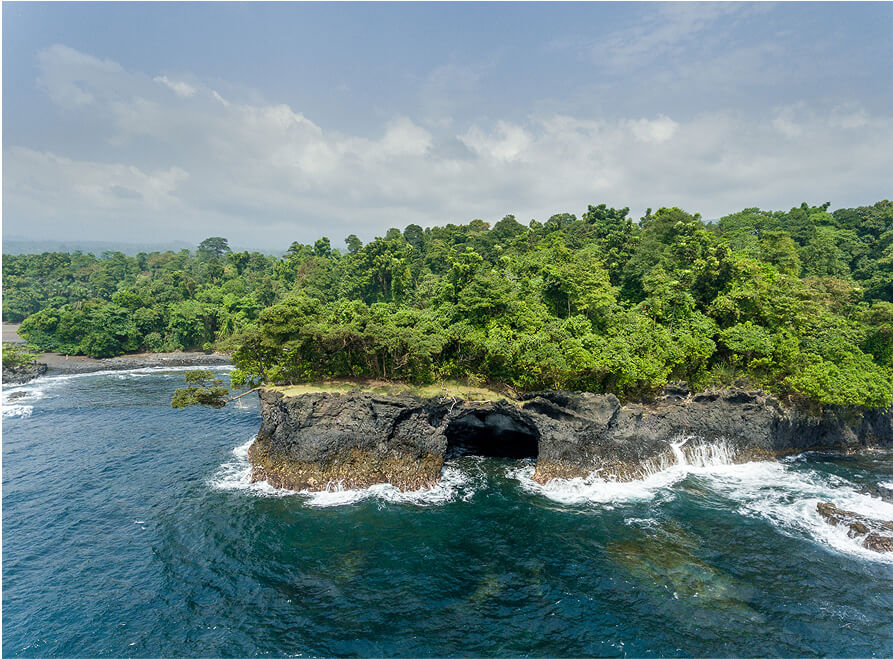
When you come to Equatorial Guinea, you can see miles of pristine coastline, towering waterfalls that just take your breath away, species that are found nowhere else on the earth. More than anything, it’s a place where you really understand this world is a treasure.”
Justin Jay, conservationist and filmmaker
-
 BEST TIME TO GO
Jun–Aug or Dec–Feb
BEST TIME TO GO
Jun–Aug or Dec–Feb
-
 Average TEMP
26ºC
Average TEMP
26ºC
-
 AIRPORT CODE
SSG
AIRPORT CODE
SSG
-
 TIMEZONE
UTC+1
TIMEZONE
UTC+1
-
 Currency
Central African Franc (XAF)
Currency
Central African Franc (XAF)